In my last post I wrote about the first three decisions I made after being diagnosed unexpectedly with osteoporosis at 56 – shifting my personal practice and teaching from yoga to Bones for Life, starting HRT a decade post-menopause and adjusting my diet. This post is all about movement. Specifically, about the moment I finally had to confront something I’d been avoiding for 30 years.
But first, an important reminder that I am not medically trained, and nothing I share here constitutes advice. It is simply an honest account of what I did, why I did it and what effects I noticed. If you are concerned about your own bones – or any other aspect of your health – please consult an appropriately qualified practitioner.
Finally… something everyone agrees on!
There is a great deal of conflicting advice in the world of bone health. Researching the topic can be genuinely exhausting. But there’s one thing that everyone agrees on: weight-bearing exercise is essential.
This matters because for most people the instinctive response to hearing that their bones are “fragile” is to become cautious, to move less, to wrap themselves in metaphorical cotton wool. Especially when the diagnosis is accompanied by the well-meaning – but, frankly, useless – comment: “The best way to avoid fracturing a bone is not to fall over”. (Yes, that’s exactly what I and many others have been told.)
Fear of falling again was certainly my initial reaction, despite being in my mid-50s and fitter and more active than I’d been in decades. Understanding the evidence helped me resist the urge to stay put, and start thinking instead about how I could move more.
What constitutes weight-bearing exercise?
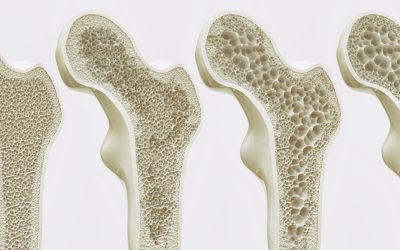
Weight-bearing exercise is physical activity done on your feet, where bones and muscles have to work against gravity to support your body weight. It can be high-impact – jumping, running – or lower-impact, such as brisk walking or gentle heel bounces. This kind of movement creates the essential wear and tear that stimulates bone remodeling, the process of replacing old bone cells with new ones. Activities like cycling and swimming, excellent as they are for cardiovascular health, don’t involve the same dynamic confrontation with gravity, so don’t count in this context.
One of the more distressing realisations for me was that yoga – or at least the slow, mindful form I had practised and taught for years – wasn’t sufficiently active or weight-bearing to benefit my bones. That was a significant factor in my decision to train to teach Bones for Life®. It also meant that, despite having recently lost my beloved dog, I had a very clear reason to keep walking every day – even in the rain or when I didn’t feel like it. Knowing that every step was actively supporting my bones turned out to be a surprisingly effective motivator.
Changing the habit of a lifetime
For at least 30 years I’d been telling anyone who would listen that I loathed the gym and had no intention of ever setting foot inside one again. I absolutely meant it.
But as the months rolled by and my research continued it was becoming increasingly clear that a daily walk – however brisk – wasn’t going to be enough. In addition to weight bearing movement, bones also need progressive resistance: increasingly challenging loads that signal to the body that it needs to build and maintain bone mass. And that means lifting heavy things.
In the summer of 2025 I joined a small, female-friendly gym set in the beautiful Hampshire countryside. I could only stretch to a single month’s membership, so I went in with a plan: learn the basics, build a habit and then transfer what I’d learned to the leisure centre near my home. The plan worked. Within weeks I had established a routine of working out three times a week, and I was genuinely astonished by how quickly I began to notice a difference, both in my body itself and in how I relate to it. I wouldn’t go so far as to say I enjoy it – but it’s simply what I do now. A period of illness late last year interrupted things for a while, but I’m back on track and more determined than ever.
If you’ve been diagnosed with osteoporosis or osteopenia and you’re wondering where to start safely, two teachers I’d particularly recommend are Sonja Johansson – a highly experienced movement teacher (including Bones for Life) – and physiotherapist Margaret Martin, whose YouTube content on OP-safe exercise is excellent. Both are US-based, but offer plenty of content online.
Where Bones for Life fits in
Something I’ve come to understand more clearly over the past couple of years is how helpful a basic understanding of Bones for Life principles is when you start weight training – or, indeed, any other form of exercise.
Lifting weights builds bone mass – but only if you’re doing it with good alignment and efficient movement patterns. Poor posture under load doesn’t just reduce the benefit; it significantly increases the risk of injury. This is where the time I’ve spent practising and teaching BfL has been genuinely invaluable. The body awareness and postural organisation the programme helped me develop have made me a safer, more effective gym-goer. I’m more likely to notice when my body is not aligned and I know how to address that.
If you’re curious about exploring BfL – whether as a standalone practice or as a foundation for other exercise – I offer an online self-paced course as well as occasional retreat days in the South Downs. You can find all the details You can read more here. I believe the programme’s ability to optimise posture, balance and movement efficiency make it the perfect companion for anyone who wants to start lifting heavy or doing any other form of weight bearing exercise.
Building my “old lady body”
In the unforgettable words of a friend of mine: “I’m not interested in getting a beach body – I’m working on building my old lady body”. This is what I hold on to when I’m lacking the motivation to leave my desk and go for a walk, or get out of bed and hit the gym.
That shift in mindset – exercising not to look good now but to stay active and independent in the decades ahead – is explored in Dr Rangan Chatterjee’s podcast conversation with endurance coach Alan Couzens (episode 617). I found it genuinely eye-opening, even after everything I’d already learned.
For me, it’s time to up the ante a bit. My next challenge is to start working with a health coach to build a more structured, personalised programme to support my long-term fitness goals. I’ll be sharing more about that, and what I’m learning from it, in future posts.